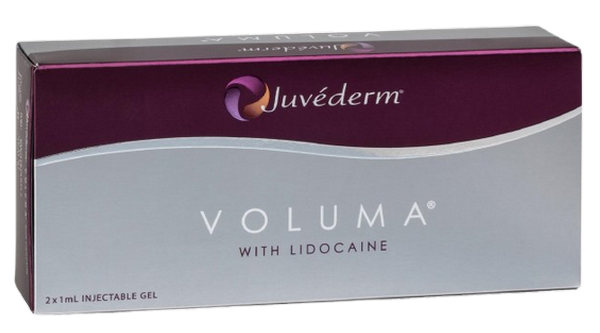
What happened in the 2026 Thailand penile-filler case?
News reports indicate that a 43-year-old British-Nigerian influencer received 40 mL of hyaluronic acid injected into his penis at a Bangkok clinic. Several hours after his treatment, he experienced chest pain and was transported to the hospital, where, unfortunately, he died. An autopsy revealed that his cause of death was a pulmonary embolism. These reports have understandably increased the visibility of penile augmentation and, importantly, have raised questions about the safety of the procedure.
What is a pulmonary embolism?
A pulmonary embolism is a blockage of the arteries that supply the lungs. The most common cause of a pulmonary embolism is a blood clot, but pulmonary embolisms can occur after materials are injected into the body if they accidentally enter a blood vessel and then travel to the lungs. In this case, there has been some speculation that it occurred because the influencer received a relatively large volume of hyaluronic acid in one treatment. In any case, any time we’re injecting into the body, it is possible for the substance we’re injecting to enter the circulation and find its way to the lungs. In most cases, this is extremely uncommon, but it remains a possibility.
How common are serious complications from HA penile filler? What does research tell us about the safety of penile augmentation?
This episode has raised the question of how common serious complications are with penile filler, and how common even minor complications are with penile filler. How does this compare to other treatments to increase the size of the penis, like fat and dermal grafts, permanent penile filler, and silicone implants like Himplant?
In a bit of serendipity,https://pubmed.ncbi.nlm.nih.gov/42402428/. The researchers looked at different techniques, including:
- hyaluronic acid fillers
- PMMA fillers
- polylactic acid fillers
- fat transfer
- dermal-fat grafting
- silicone implants
The researchers reported an overall complication rate of 14.9% if you included all of these different techniques; however, the complication rate varied from technique to technique. These included minor, self-resolving complications as well as serious complications. This overall rate includes many things that are only minor problems.
One implication of the study is that, because we are looking at 23 different studies and combining the results, it’s important to remember that these procedures were performed by different physicians using different techniques in different countries. They’re not always apples to apples, but I think this meta-analysis gives us a good overall picture of potential complications associated with penile augmentation.
How safe are hyaluronic acid (HA) penile fillers?
Of all the techniques evaluated in the review, hyaluronic acid (HA) had the lowest reported complication rate of only 9%. The HA studies included a total of more than 1,300 patients.
The most commonly reported side effects with HA were:
- Migration or asymmetry: 7.7%
- Nodules or lumps: 3%
- Infection: 1.2%
How safe are polylactic acid penile fillers?
Polylactic acid, or PLA, is another injectable filler used for penile enhancement. It’s not commonly used in the U.S., but is more commonly used outside the U.S. The meta-analysis included 111 patients treated with PLA and reported a complication rate of 12.7%. The most commonly reported complications were:
- Migration or asymmetry: 5.5%
- Nodules or granulomas: 4.0%
- Infection: 0.8%
One thing to note about this group is that there were only 111 patients treated with PLA included in the meta-analysis.
How safe are PMMA penile fillers
PMMA, or polymethylmethacrylate, also known as Bellafill in the U.S., is a permanent injectable filler that, unlike HA, cannot be dissolved. The meta-analysis, or review, reported an overall complication rate of 22.4% for patients treated with PMMA, but again, there were only a limited number of patients treated, as only 105 patients in the meta-analysis were treated with PMMA. The reported complications included:
- Nodules or granulomas: 18.5%
- Migration or asymmetry: 4.0%
- Revision procedure: 3%
- Necrosis or erosion: 2.5%
- Infection: 1.5%
A couple of notes about these numbers. The studies group nodules and granulomas together. A small nodule or bump is not necessarily of the same significance to the patient as a true inflammatory granuloma. With this 18.5% number, it’s hard to discern who had a very significant side effect and who had a relatively minor side effect.
One advantage of PMMA is that it can produce a very natural-looking result. Additionally, patients who are looking at an expensive procedure benefit from the permanence of PMMA. The disadvantage, however, is the elevated risk of complications. Although nodules and granulomas caused by PMMA can be treated, they are not fully reversible, unlike nodules that result from HA filler.
How safe is penile fat transfer?
Another technique for penile girth enhancement involves taking fat from one area of the body, generally the abdomen, and transferring it to the penis. The meta-analysis included 141 patients who had undergone fat transfer and reported a total complication rate of 19.9%. The reported complications were:
- Nodules or lumps: 12.0%
- Migration or asymmetry: 9.5%
- Seroma or fluid collection: 1.0%
- Necrosis or erosion: 2.0%
- Infection: 1.8%
One difficulty with fat transfer is that not all of the fat that’s transferred survives, so you don’t always get consistent results from patient to patient. Even in the penis, the fat may survive in some areas and not in others. This can result in asymmetry.
How safe is dermal-fat grafting?
Dermal-fat grafting is a surgical procedure where tissue is placed underneath the skin of the penis for augmentation. The meta-analysis included 103 patients who had this procedure and reported a complication rate of 14.3%. Reported complications include:
- Seroma: 5.2%
- Migration or asymmetry: 2.5%
- Nodules or granulomas: 2.0%
- Infection: 1%
- Necrosis or erosion: 0.5%
This is a relatively uncommon procedure in the U.S. and is generally not used for cosmetic girth augmentation.
How safe are silicone penile implants?
Silicone penile implants for girth augmentation are significantly different from filler injections. They involve surgery to place a silicone sleeve underneath the skin of the penis. This review included 839 patients who had silicone implants and reported a complication rate of 20.3%.
The most commonly reported side effects were:
- Seroma or fluid collection: 18.0%
- Revision surgery: 10.5%
- Necrosis or erosion: 4.8%
- Migration or asymmetry: 3.0%
- Infection: 2.2%
- Nodules or granulomas: 1.5%
A couple of notes on this: revision doesn’t mean that the implant had to be removed, but it is important to note that if the implant does require removal, it can result in significant shortening of the length of the penis, which can be a potentially devastating side effect.
Which procedure has the lowest risk of side effects?
HA had the lowest side effect or complication rate. However, it’s important to consider that, in all classes, many of the side effects were minor, self-limited, and more annoying than serious.
Hyaluronic acid: 9.0%
Polylactic acid: 12.7%
Dermal-fat grafting: 14.3%
Fat transfer: 19.9%
Silicone implants: 20.3%
PMMA: 22.4%
Some patients may elect to have PMMA despite the higher side effect profile because of the benefit of a permanent treatment and may accept the risk of a higher complication rate if those complications, for the most part, are minor in nature or easily treated. It’s really important to think about the nature of the complication. Also equally important: how easily can that complication be corrected or treated? A contour irregularity is much different from tissue erosion, infection, or a surgical complication requiring another surgery.
Because of the large number of patients treated in the HA and silicone implant groups, these numbers are probably more reliable than those of the other treatment groups, which involve smaller numbers of patients.
So, considering penile enhancement, it’s clear that HA had the lowest reported complication rate and has the advantage of reversibility with hyaluronidase. What’s less clear from these data is whether the side effects with PMMA filler are severe or permanent enough to outweigh the advantage of its permanence. I think a similar risk-benefit analysis can be performed with the silicone implant. Again, it’s permanent, and so do the risks or complications associated with it outweigh the benefits of the permanence of a silicone implant?
Were there deaths among patients treated in this review?
No. There were no deaths reported among the 2,620 patients included in this meta-analysis. Does that mean that very rare, serious, or life-threatening complications can never occur with penile enhancement? Well, no, as we can see with this example of the death of the influencer who was treated in Thailand.
On the flip side, it’s important not to let our medical decision-making be overly influenced by one single, highly publicized case, which may represent a severe outlier. It’s more important to look at the risk as demonstrated in a large number of patients. I think this gives us a better idea of the likely risks and side effects a man undergoing penile girth enhancement is likely to face.
What can be learned from the death of the patient in Thailand?
No medical procedure is completely risk-free. Even seemingly minor medical procedures can sometimes result in severe, life-threatening side effects or complications. How the procedure is performed is extremely important. The physician’s experience is critical to the correct injection of a dermal filler or any of the other techniques for penile girth enhancement.
In this example, it’s been hypothesized that perhaps one of the causes of the patient’s death was the large volume of filler injected in one session. Of course, we also don’t know the technique that was used, but these things play an important role in the safety of penile girth augmentation.
Conclusion
Overall, the recent barrage of social media posts about the social media influencer who had a pulmonary embolism after penile girth augmentation raised very important questions about the safety of this procedure and any cosmetic procedure. Fortunately, we have this systematic review, which gives us a broader picture of the safety of penile girth augmentation with fillers in comparison to other potential treatments.
I believe when you look at the overall safety rate, especially of hyaluronic acid fillers, you can see that it’s a well-tolerated procedure. The large majority, more than 90% of HA patients, did not report any complications, at least in these studies. Of the patients who did have complications, many involved local issues such as asymmetry, migration, nodules, or infection. Serious complications can occur, but they were uncommon in the studies included in this review.